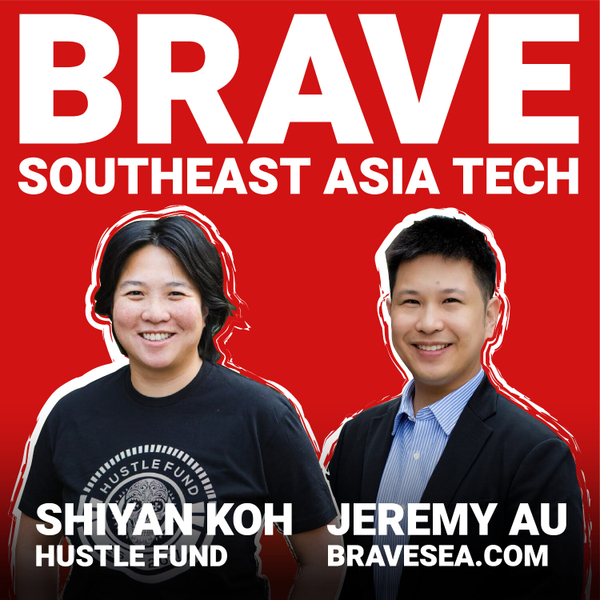

"I think finding win-win solutions may be the most contrarian thing. Not thinking of the world as zero-sum. I grew up pretty competitive, but I'm not sure if that's the best thing actually. It might be more productive to teach them to be less competitive with others and more about better global outcomes. I don't know how to teach that though. There's a set point in children where they don't like losing, so even when you try to explain to them why this loss is irrelevant or it's in their head, they get upset." - Shiyan Koh
"Teachers don't want students to generate essays using ChatGPT and submit them, but there could be a learning process where you write an outline in class first, then feel free to interact with ChatGPT at home and go through the iterative process of improving the essay. Educators need to restructure how they assign work and get work out of kids because so much can be automated. It doesn't have to be a zero-sum game. There are ways to incorporate automation into the learning process that would improve the quality of learning." - Shiyan Koh
"I think spirituality and values are important for my child. If my child picks a different faith or spirituality in the future, that's okay. For now, it's nice to provide them with a sense of steadiness and human symbolism. The internet is a great teacher, but it has its own implicit morals and philosophy. If you give your child three hours of TikTok on Sunday morning, it will teach them about what is popular, and desirable, and what they should or should not do. The internet and biased algorithms provide a level of values education by themselves. So, I want to teach my child a sense of wonder about life." -Jeremy Au" - Jeremy Au
In this episode, Jeremy Au speaks on children in the age of AI, robot best friends, and contrarian parenting beliefs.
Keywords: Children in Age of AI, Robot Best Friends, Contrarian Parenting Beliefs, AI, Parent Founder, Thought Leadership